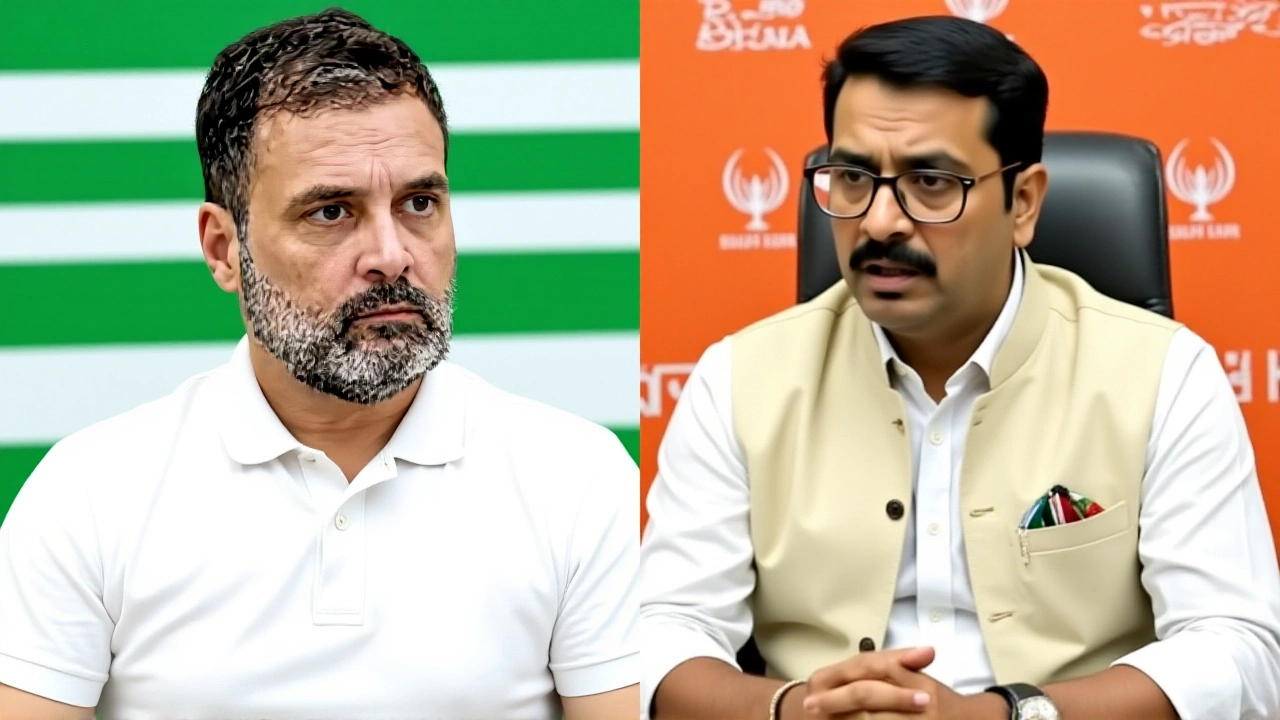
When Gaurav Bhatia, National Spokesperson of Bharatiya Janata Party, took to the podium in New Delhi this Monday, he didn't just criticize his political rival—he invoked ancient mythology. Labeling opposition leader Rahul Gandhi as "Bhmasura," a demon who destroys himself through his own actions, the BJP spokesperson ignited a fresh firestorm in India’s already heated political landscape.
The clash erupted after Gandhi made a bold prediction: that the current central government would fall within a year. It’s a claim that has sent shockwaves through New Delhi, prompting immediate and aggressive pushback from the ruling party. Here’s the thing—this isn’t just about words. It’s about credibility, stability, and the high-stakes game of pre-election positioning.
The Mythological Insult Explained
To understand the weight of Bhatia’s comment, you need to know the story of Bhmasura. In Hindu mythology, Bhmasura was a demon who believed he could only be killed by his own son. When Krishna defeated him, it was through a twist involving that very rule. By calling Gandhi "Bhmasura," Bhatia is suggesting that Gandhi’s own rhetoric and strategies are self-destructive, ultimately leading to the downfall of his own party rather than the government he targets.
Bhatia went further, mocking Gandhi for shifting from political analysis to what he called "astrology." "First he was Bhmasura, now he has become a Jyotish (astrologer)," Bhatia said during the press conference at the BJP headquarters. The implication? That Gandhi’s prediction of the government’s collapse is not based on data or governance metrics, but on baseless fortune-telling.
The 'Toolkit' Accusation Returns
This isn’t the first time these two figures have traded barbs. Bhatia revived the controversial "toolkit" allegation, accusing Gandhi and the Indian National Congress of using scripted messages to spread instability and anarchy across the country. According to the BJP, this model is designed to create confusion among voters and undermine faith in democratic institutions.
"The Congress party is losing ground with the public, so they resort to such irresponsible statements," Bhatia argued. He insisted that the central government remains "stable and strong," dismissing Gandhi’s timeline as a desperate attempt to manufacture crisis where none exists.
Congress Faces Internal Predictions
But wait—the BJP didn’t stop at attacking Gandhi personally. They turned their gaze inward toward the Congress party itself. Reports from outlets like ABP News and Panchjanya highlight a chilling prediction from the BJP: that the Congress will split into two factions within the next year. Bhatia hinted at an impending rebellion against what he termed the "fake Gandhi family," suggesting internal dissent is brewing beneath the surface.
While no specific evidence was provided for this claim, the narrative aims to portray the opposition as fractured and doomed. It’s a classic political tactic: weaken the enemy from within before they can strike back.
Public Reaction and Economic Context
The reaction from the Congress side was swift and fiery. Described by media reports as "fire and fury," the party condemned the remarks as disrespectful and divisive. However, details on specific counter-statements from top Congress leaders remain scarce in initial coverage.
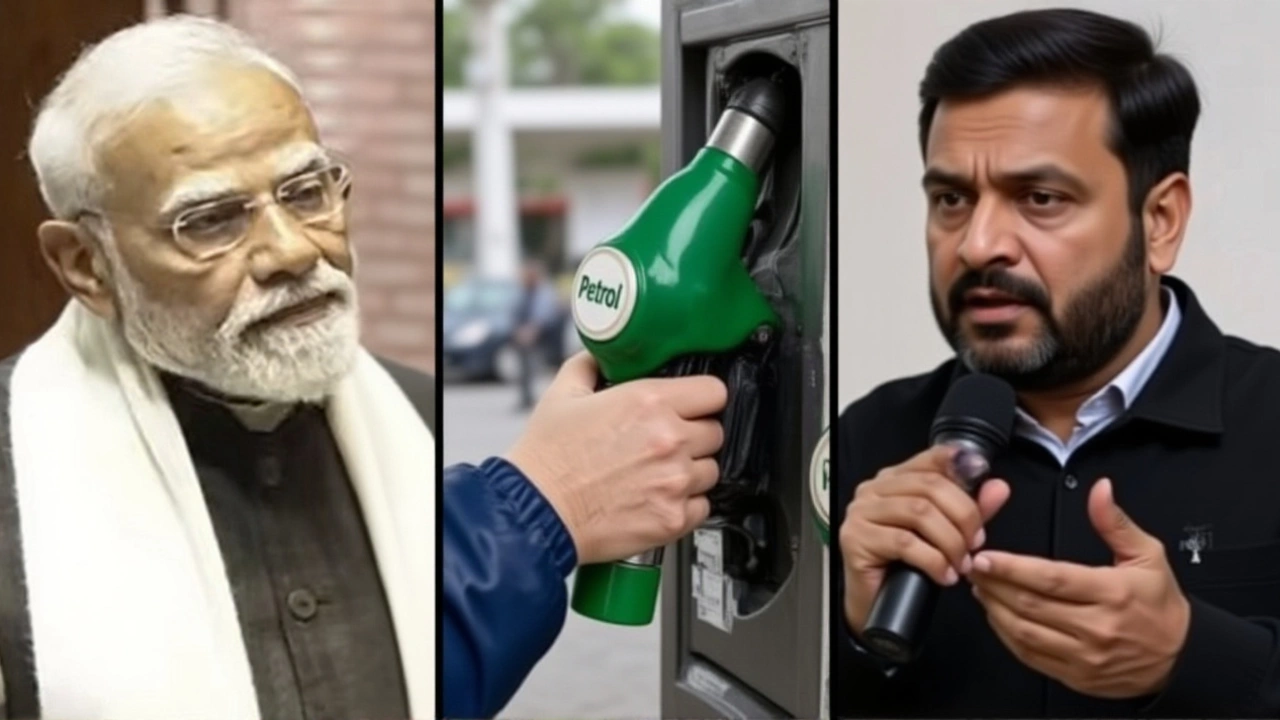
Interestingly, amidst this political drama, everyday economic realities continue to play out. On the same day as the press conference, petrol prices in New Delhi stood at ₹94.77 per litre, while diesel was priced at ₹87.67 per litre. For many Indians, these numbers matter more than parliamentary predictions. Yet, both parties seem determined to keep the focus on ideological battles rather than immediate cost-of-living concerns.
What This Means for Indian Politics
This exchange highlights the intensifying rivalry ahead of future elections. With Gandhi positioning himself as a vocal critic of Prime Minister Narendra Modi’s administration, every statement becomes ammunition for the other side. The use of mythological references like "Bhmasura" signals a shift toward cultural and emotional appeals, aiming to resonate with traditionalist voter bases.
Experts note that while such rhetoric energizes core supporters, it risks alienating moderate voters who prioritize policy over personality clashes. The real test will be whether these verbal spats translate into tangible gains at the ballot box—or if they merely deepen existing polarizations.
Background: A History of Clashes
Rahul Gandhi and the BJP have been locked in a long-standing feud since his return to active politics. From allegations of foreign funding to debates over national security, the two sides rarely miss an opportunity to score points. The "toolkit" controversy dates back several years, with the BJP claiming the Congress distributed digital guides to attack the government online. Congress has consistently denied these claims, calling them fabricated narratives.
As tensions rise, observers are watching closely to see if this latest round of insults leads to formal complaints in Parliament or legal action. So far, however, the battle remains confined to press conferences and social media feeds.
Frequently Asked Questions
Who is Bhmasura and why did Gaurav Bhatia use this term?
Bhmasura is a demon from Hindu mythology who was killed due to his own fatal flaw. Gaurav Bhatia used this term to suggest that Rahul Gandhi’s aggressive political tactics are self-destructive and will harm the Congress party rather than defeat the BJP-led government.
What exactly did Rahul Gandhi predict about the government?
Rahul Gandhi claimed that the current central government would collapse within one year. This statement triggered a strong response from the BJP, which dismissed the prediction as baseless and akin to astrology.
What is the 'toolkit' accusation?
The BJP accuses the Congress party of using a 'toolkit'—a set of scripted messages and strategies—to organize attacks against the government and spread misinformation. Congress denies this, calling it a conspiracy theory.
Did the BJP make any predictions about the Congress party?
Yes, the BJP predicted that the Congress party will split into two factions within the next year due to internal rebellions against the leadership. No concrete evidence was provided for this claim.
How did the Congress party respond to these comments?
The Congress party reacted strongly, condemning the remarks as disrespectful and divisive. While specific detailed counter-arguments were limited in early reports, the overall tone was one of outrage and rejection of the BJP’s narrative.